Step 0 – Primer (continued)

So, as per my previous post I started out by comparing the process of alodining vs spraying, so here’s some ramblings about the results of that test, which has also resulted in trying a 3rd product.

Alodine
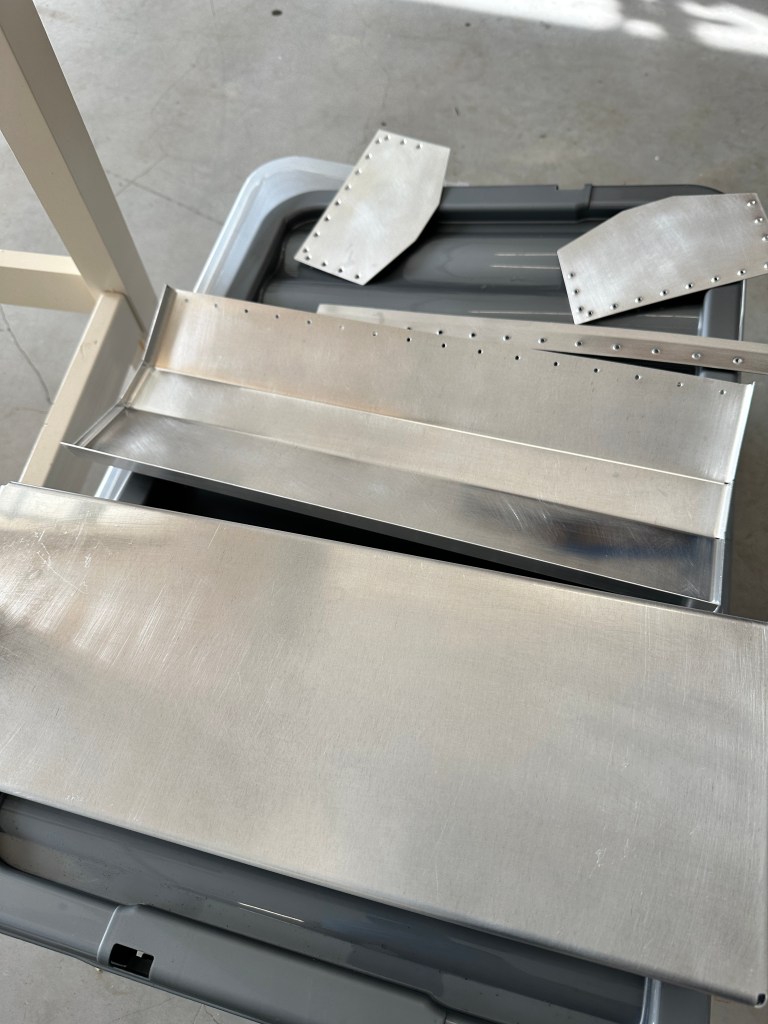
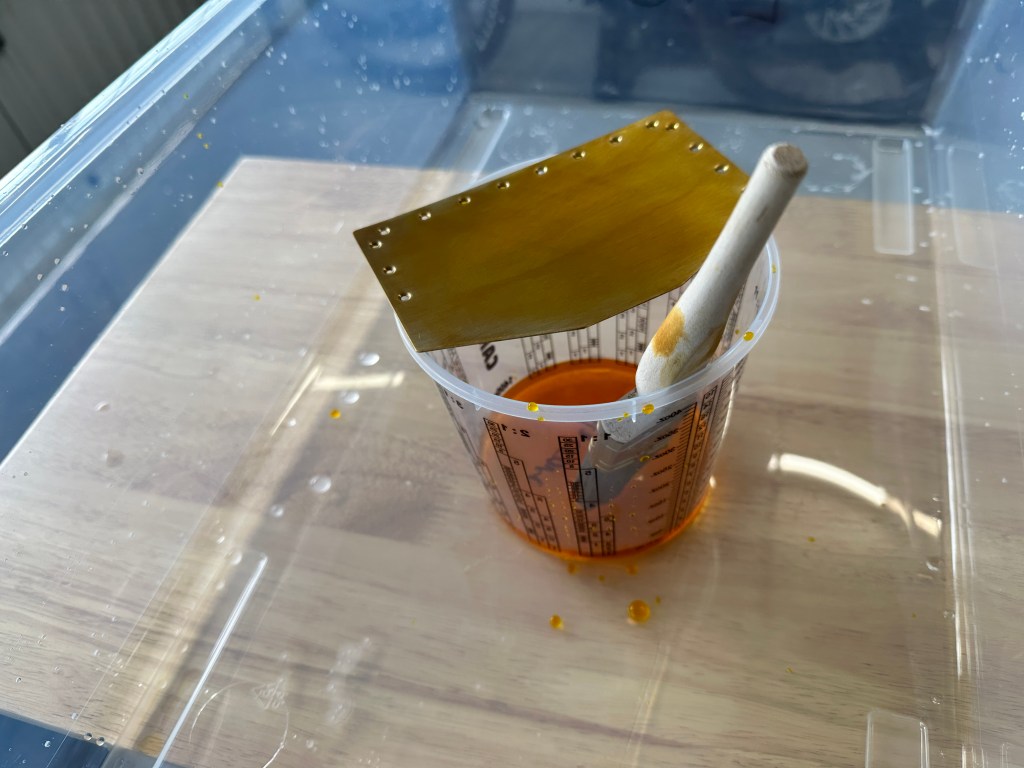
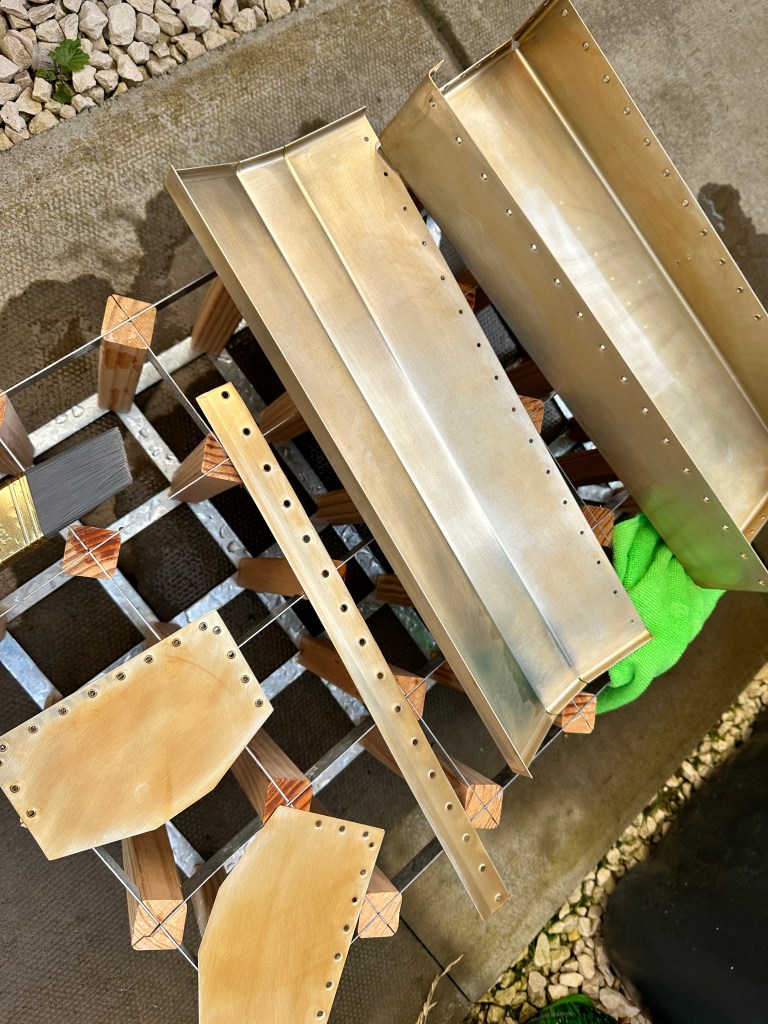
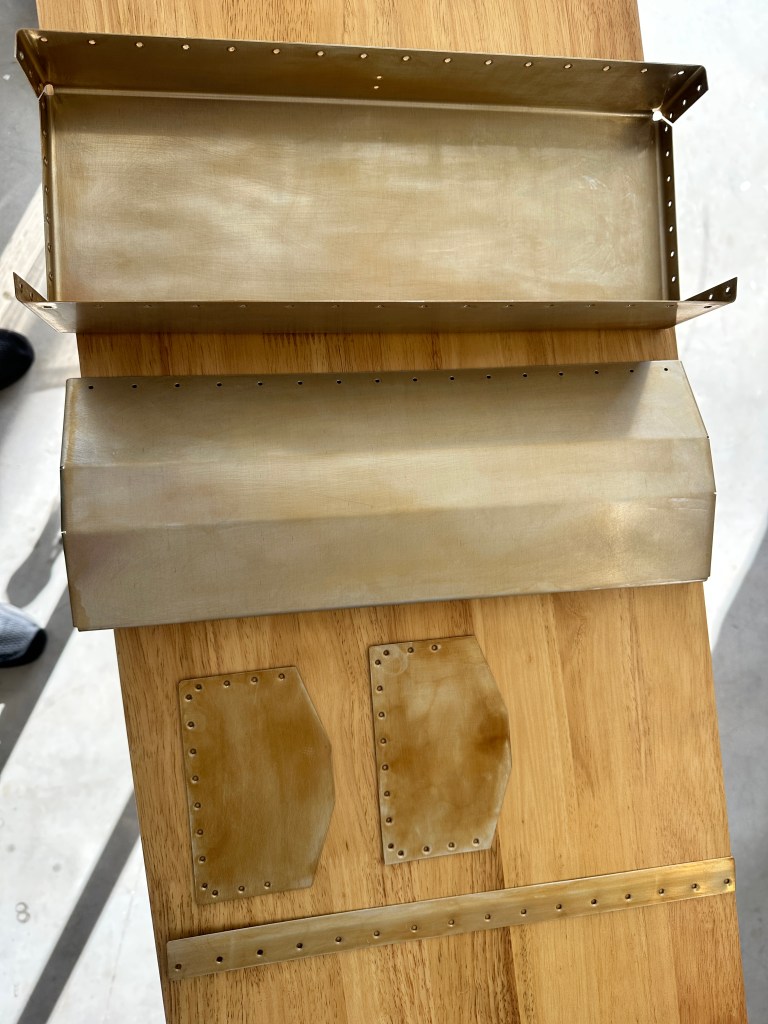
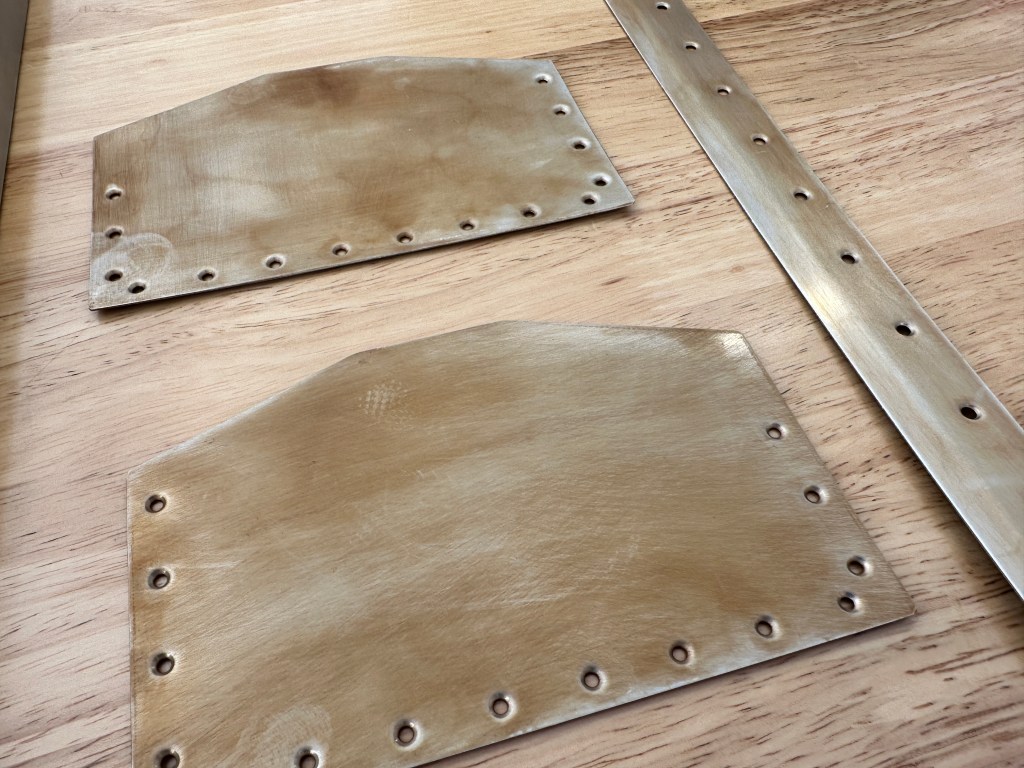
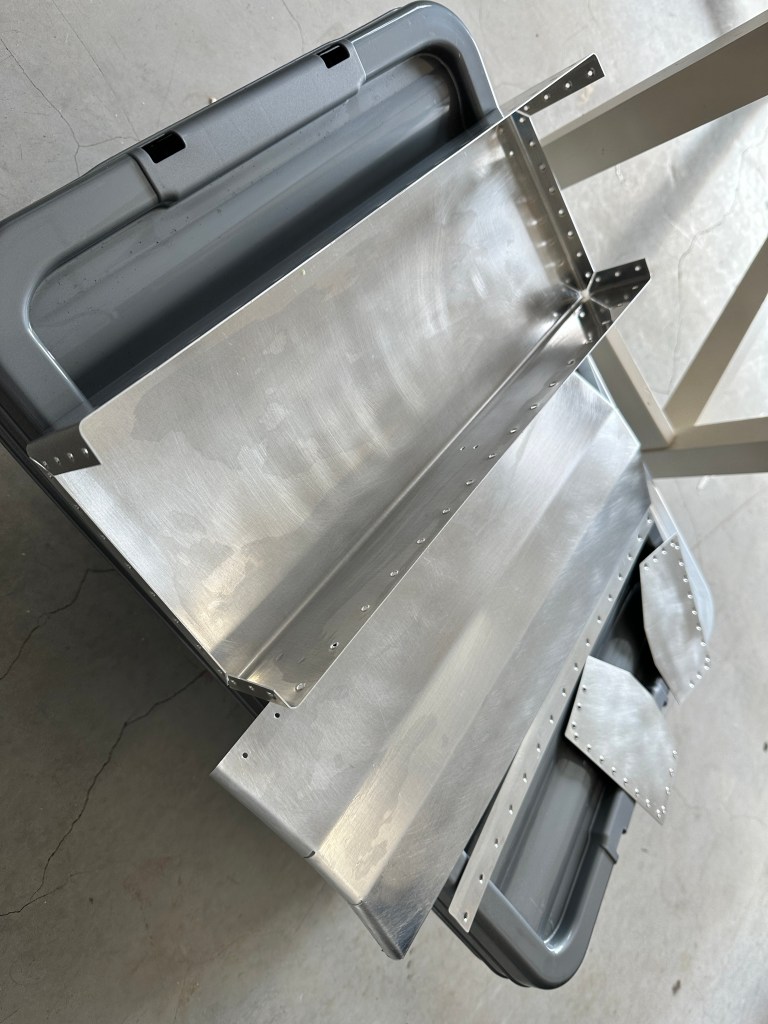
The results I achieved from this process actually look good. The parts came out with a golden color, maybe slightly darker in some areas – but I think that might be because I applied it with a brush instead of submerging the parts in a solution.

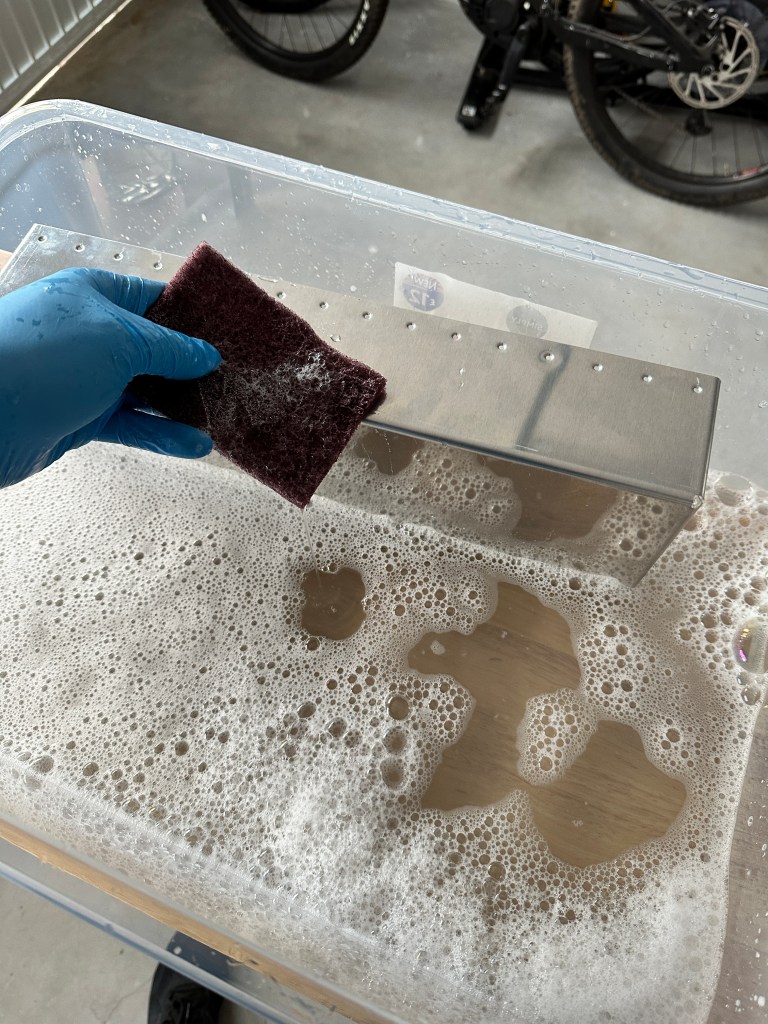
The first step after cleaning involved brushing on Deoxidine. I could really smell the vapor despite wearing a mask, and it was quite strong – so I ended up ventilating the area more and stepping outside for a while. It did a good job of cleaning the parts, so I proceeded to the next step.

Brushing on the Alodine (which I mixed from 2 parts) was really easy. I didn’t notice as much vapor smell as with the Deoxidine, and using a brush helped minimize waste. I left it on the parts for 2 minutes, constantly brushing more onto them to keep them wet – although I think it may have needed more time.
Compared to spraying, I definitely prefer this method. However, when considering the volume and size of the parts I would be working on in the kit, there are some practical challenges that I would need to overcome.
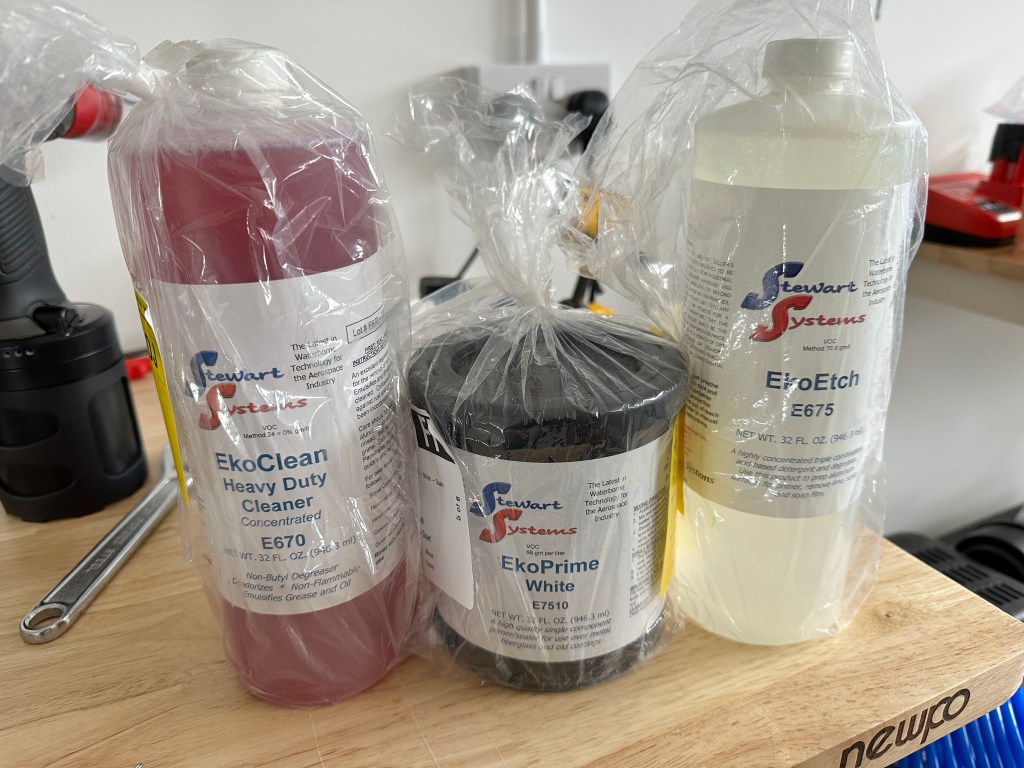
EkoPrime
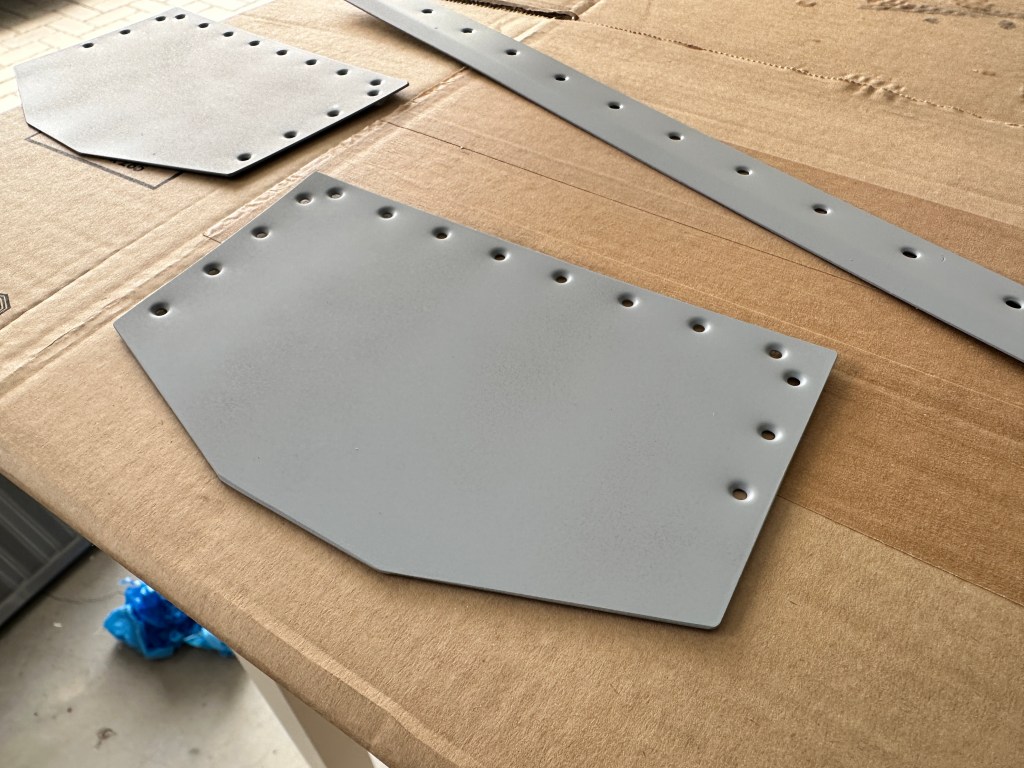
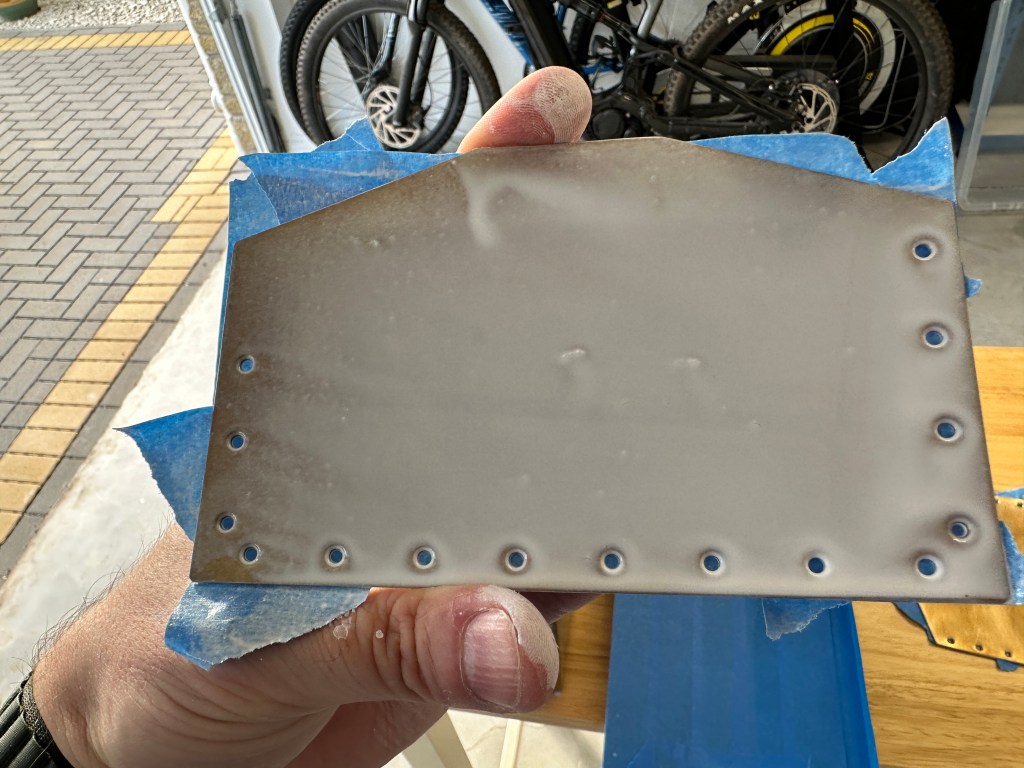
This was basically a total failure, no doubt all because of me and my lack of experience, but here are a couple of things that I think contributed to it – and maybe I’ll try again.

Firstly, I have no experience with a spray gun, I watched many videos on YouTube about how to set up the gun, spray patterns, etc, but still felt like a complete beginner. My compressor is small, and I used the inexpensive gun that came with it, so maybe that really affected the process – I’ve ordered another gun to see if it makes a difference (although I may return it if the other options are better).

Secondly, I wonder whether the alodined parts didn’t have the bite needed for the paint? I’d obviously went through an etch phase before the alodine process, but it didn’t seem like the paint was settling, it just seemed to sit on the surface liked spilled milk – I decided to wipe it off which was surprisingly easy…

Upol Acid 8 1K Etch Primer
I had originally planned to compare Alodine and spraying, but after spraying didn’t work at all and the Alodine process involved a lot of chemicals, I decided to try an etch primer in an aerosol can instead.

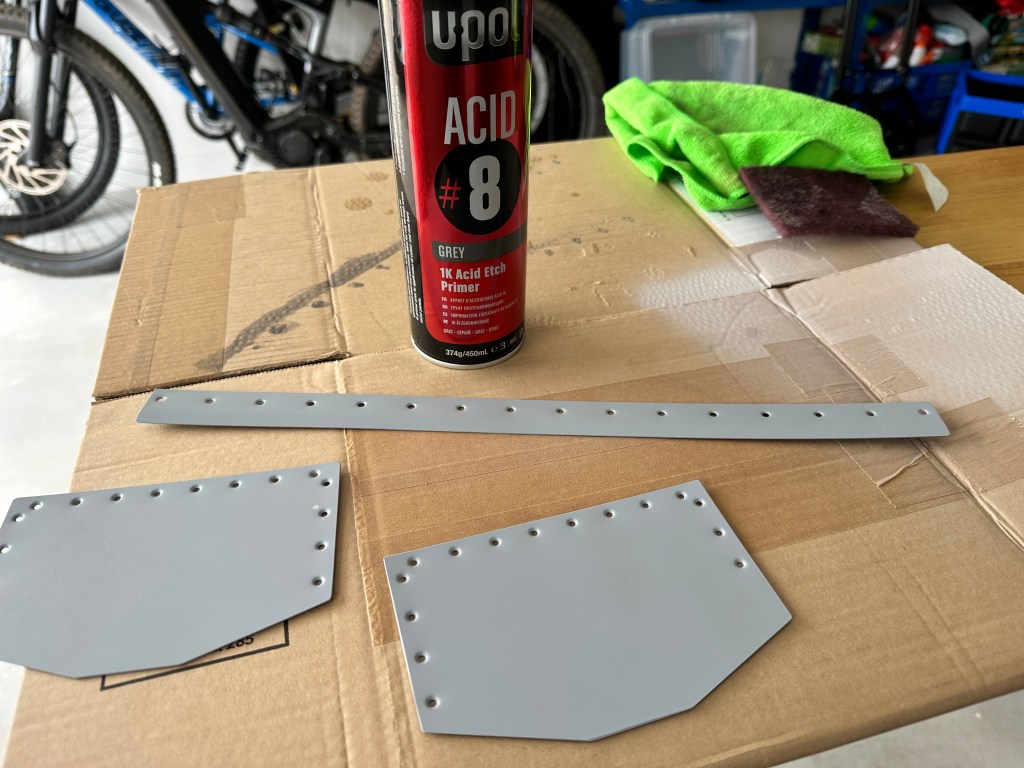
I had previously seen good results from people using Upol Acid 8 1K Etch Primer, which you can buy from Halfords. So, I went there and bought a can of it. You can also get it in a tin for spraying, but I didn’t want to go down that route because of my previous unsuccessful attempt.

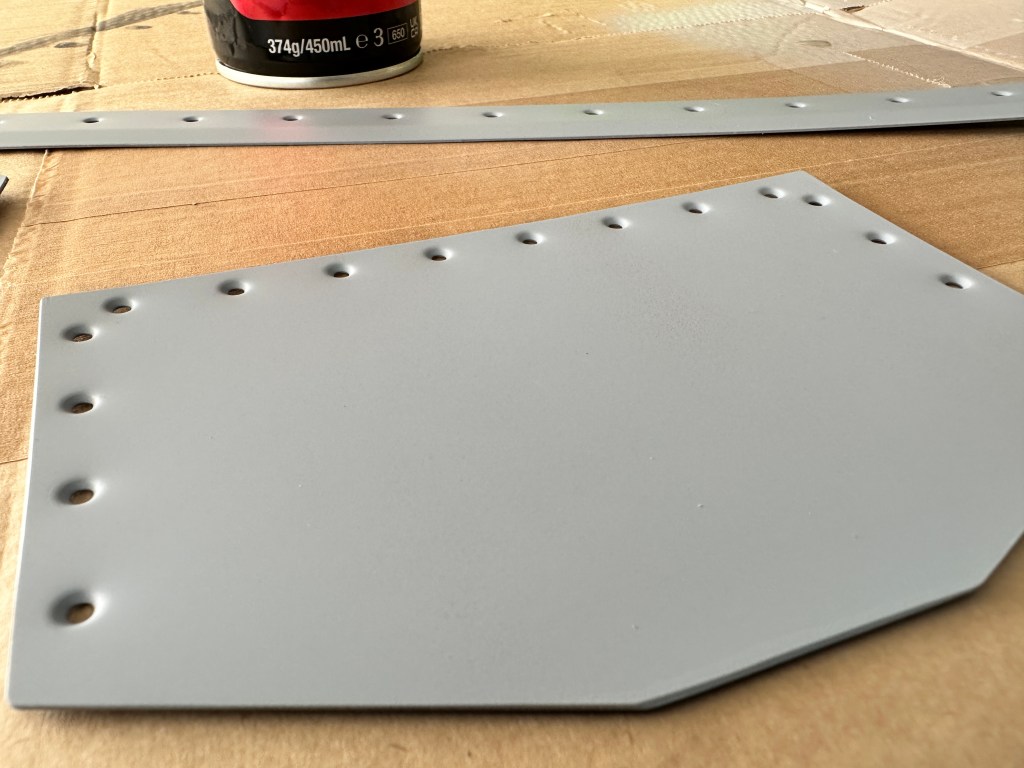
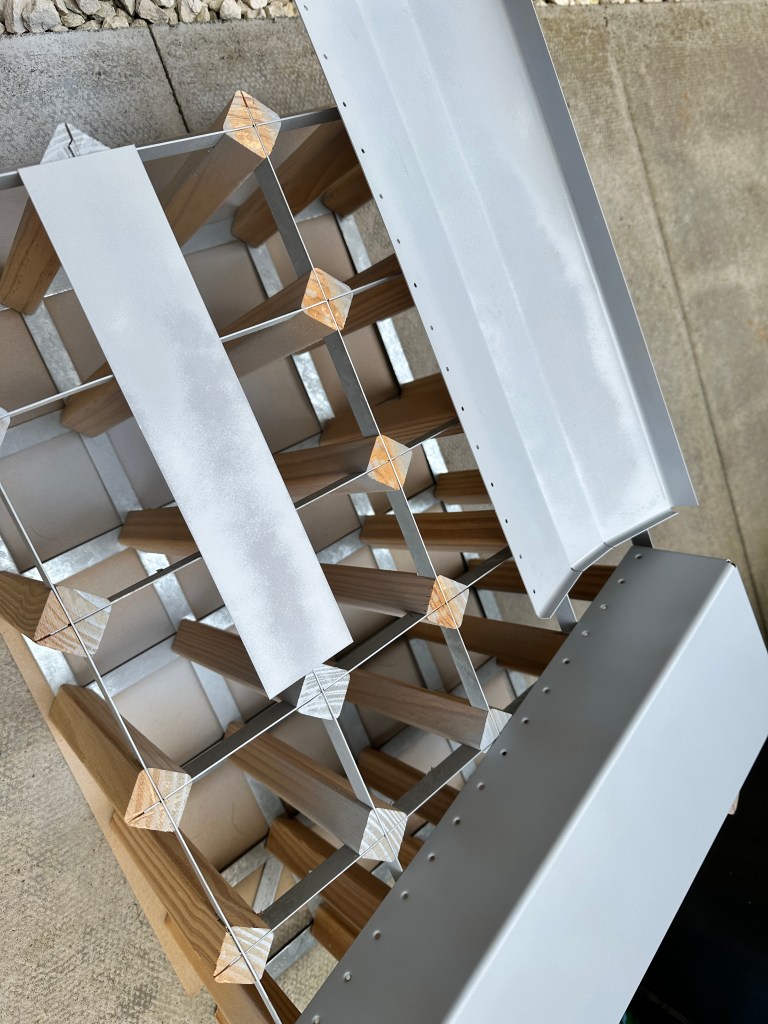
Using the aerosol can to spray the primer on the parts was really easy and enjoyable. It required very little clean-up, except for some overspray. The primer went on the parts smoothly and in a thin layer, and it was easy to use without needing a lot of equipment.

I’m almost certain that this is the method I will choose to use!
Step 0 – Primer

Honestly, this has to be my least favourite subject so far – there seems to be an endless amount of products and methods, and every time I do research I feel like I come away thinking about it completely differently.

There’s lots of discussion that aluminium has good built-in corrosion resistant aluminium so perhaps in the end it doesn’t matter so much which direction you go as it’ll ultimately just add to the existing resistance.

However, after hours of research, trawling facebook groups and forums, I still feel pretty uninformed about it all – but have decided that it probably comes down to which process I prefer to work with.

To help make that decision I have decided to try 2 methods (Alodine vs Spraying), this should help narrow down the next choice of product, especially if I prefer the Alodine method.

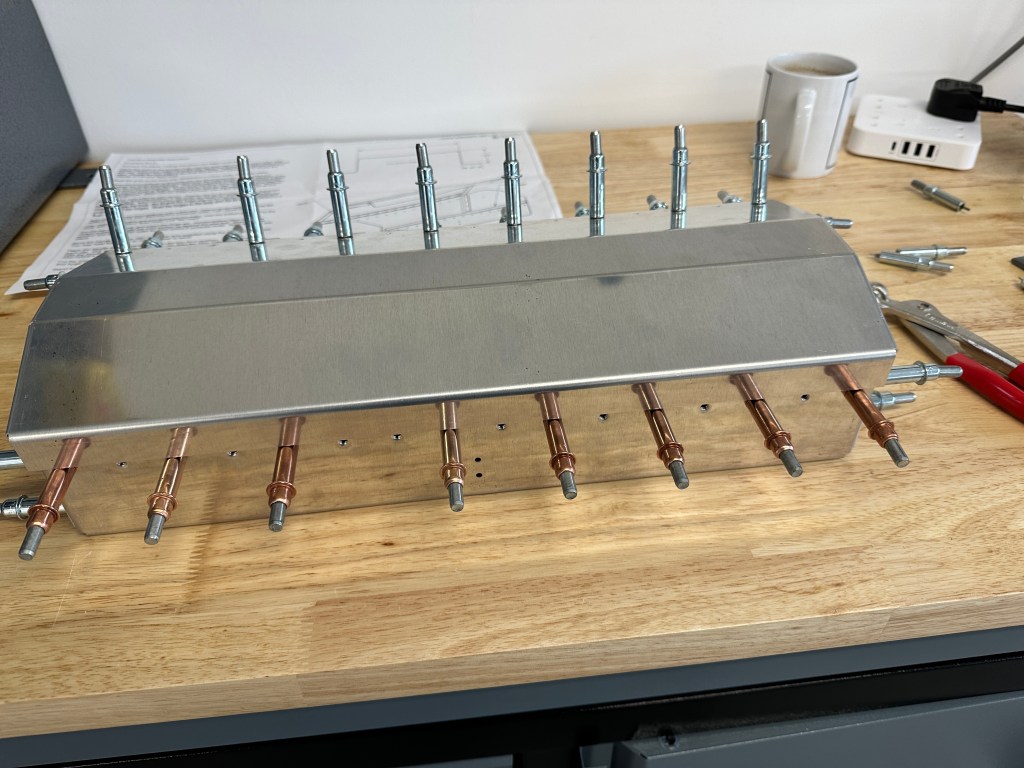
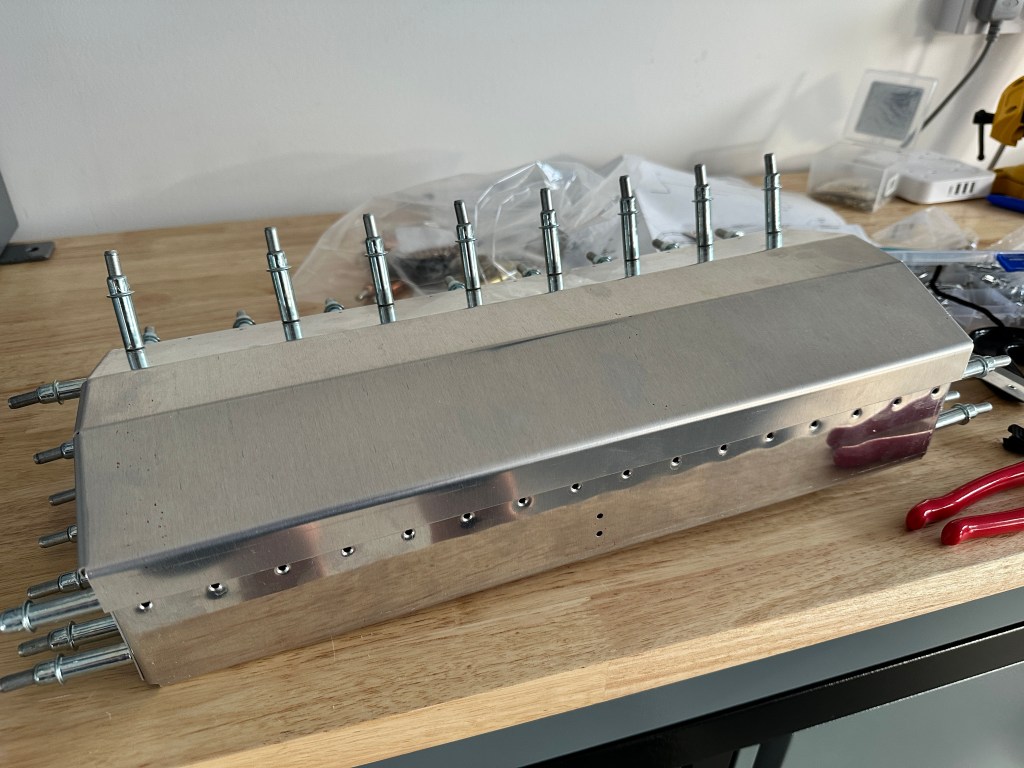
Given that I don’t have my empennage kit yet, and probably don’t want to use any of that for “testing” anyway, I will prime my Vans Toolbox. My plan is to Alodine everything first and then spray EkoPrime on the outside of the parts, this should give me an insight into which process is easier to work with.

Here’s a few notes on each of the 2 products I’ll be testing:

Alodine (using ALOCROM 1200 + Deoxidine 624)

  • Doesn’t add as much weight to the aircraft (vs paint primers)
  • Simple to work with (doesn’t need a spray gun, compressor etc)
  • Potentially less messy, and can be brushed on
  • May be difficult to dispose of excess (people seem to suggest making concrete)
  • Can be purchased in the UK from LAS

EkoPrime + EkoEtch + EkoClean (Stewart Systems)

  • Seems to be a popular choice for Vans
  • Water based so easier to clean up vs epoxy based paints
  • 1-part – so slightly simpler to use smaller quantities
  • Can be purchased in the UK from LAS
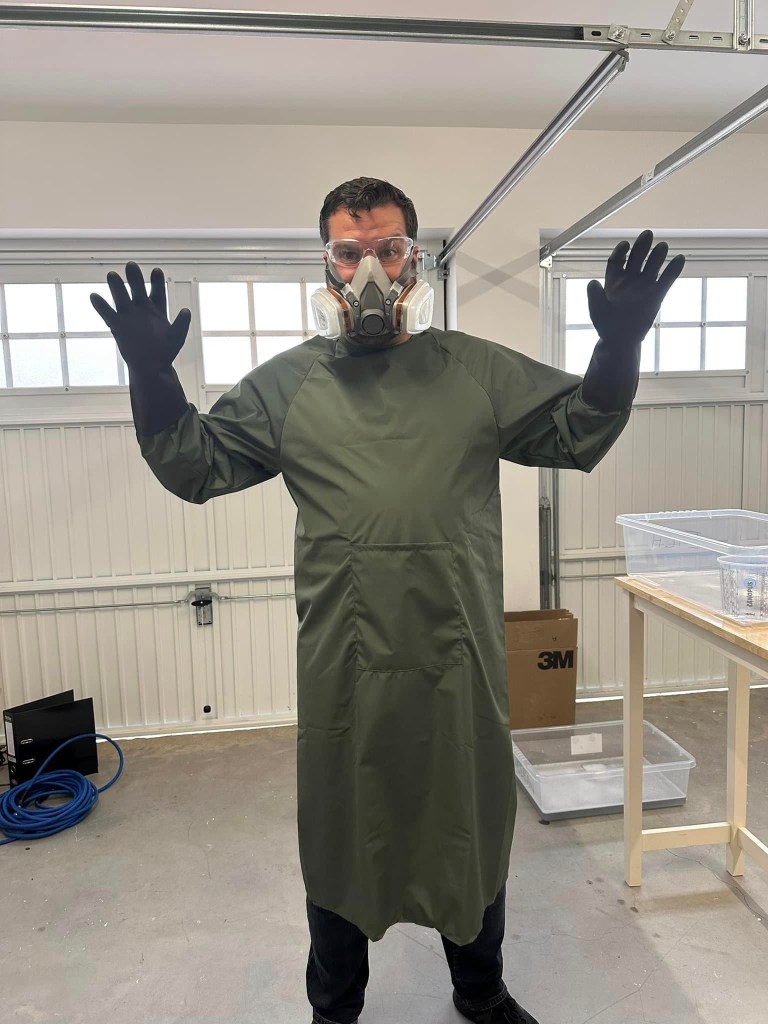
  • Requires more complex process (spray booth, gun, compressor, suit etc)
  • Not sure if my compressor will be good enough for HVLP gun
  • I’ve never used a spray gun in my life, so that concerns me!

Step 0 – Cleanup, order tools, etc

The first step on the journey to building an aircraft is preparation! For me that has taken 2 years of researching, learning about techniques, and looking at every possible aircraft kit out there!

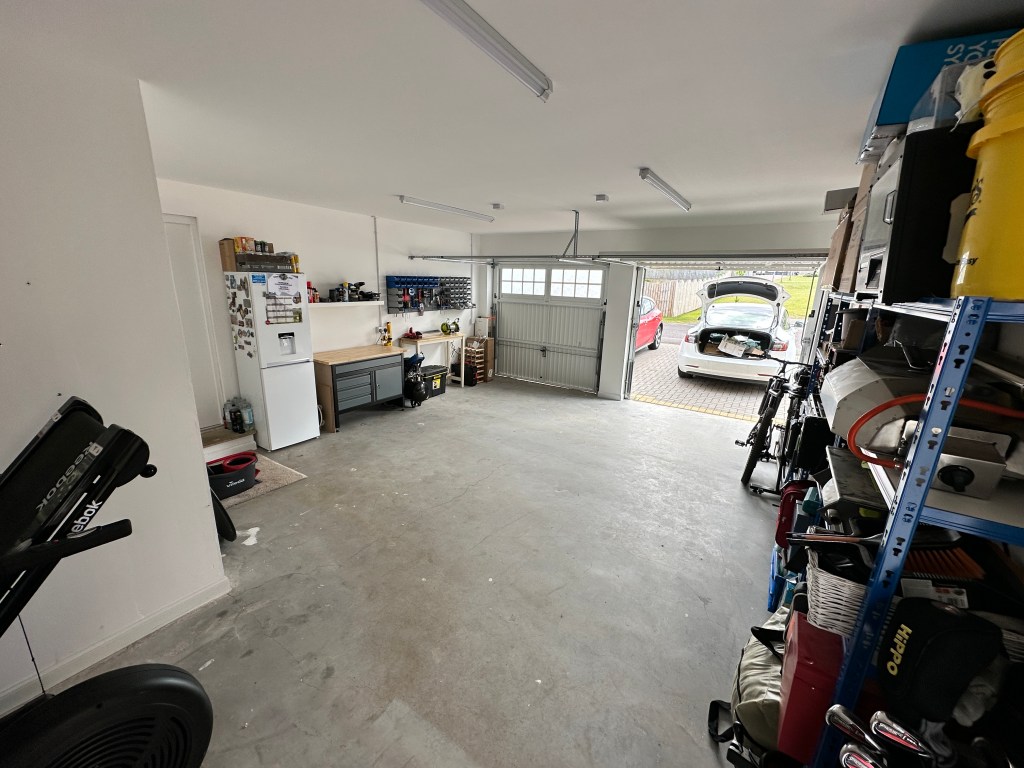
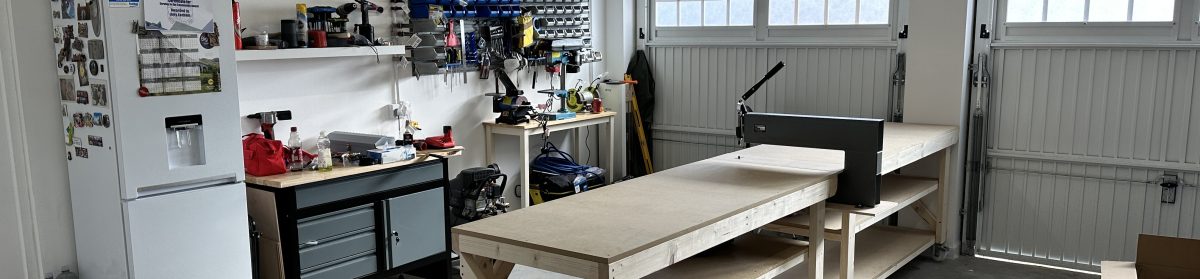
I’m fortunate to have a 2 car garage which I expect should be large enough to work in, so I spent the weekend taking rubbish to the recycling centre, organising everything, I even mopped the floor!

I’ve got 2 workbenches on order that roughly meet the spec of the EAA workbench that is mentioned on numerous posts, but I decided to just order them instead (hopefully a good plan)!

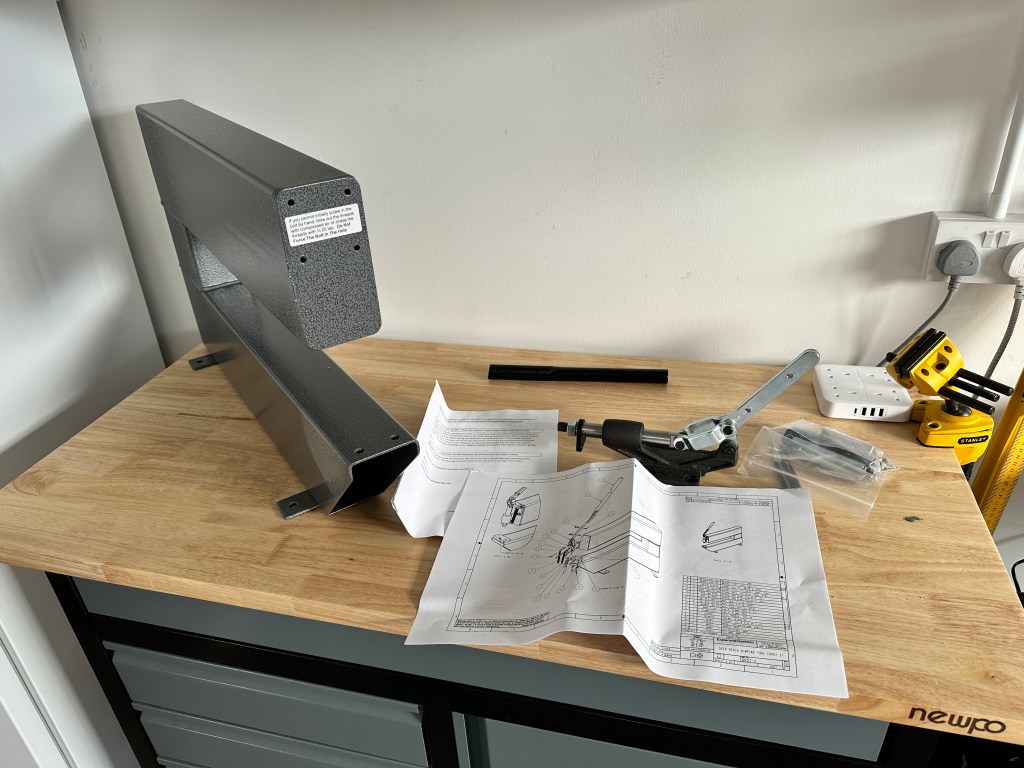
When I almost pulled the trigger on building previously I bought some tools, such as the DRDT-2 dimpler, which I bought in Jan of 2021- it’s never been out of the box until today! So time to set that up, and give it a try!

Another item I bought back in 2021 was the Vans Toolbox Practice kit, which I have made a start to – I plan to just mess around with it and get a feel for working with aluminium, I’m also going to use it as a test process for priming with Alocrom 1200 (Alodine).